Babyboy: A Sweet Handwritten Font for Modern Design
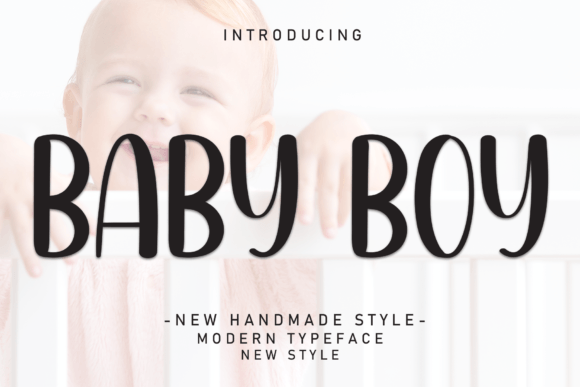
Finding a font that captures genuine warmth and personality can transform a good design into an unforgettable one. Babyboy is a sweet and friendly handwritten font that does exactly that. Its fresh and cute character makes it an ideal choice for projects that need a fun, approachable touch, moving beyond sterile digital text to create an immediate emotional connection with the viewer.
The Role of Expressive Typography in Visual Design
In the crowded landscape of graphic design and branding, typography is a primary tool for conveying tone and personality. A font like Babyboy serves a specific, vital purpose within a designer's toolkit. It injects a sense of handcrafted authenticity and playful energy, which is crucial for brands aiming to appear friendly, youthful, or artisanal. This type of expressive typography directly supports visual hierarchy, drawing the eye to key messages and establishing an emotional resonance that standard sans-serifs often cannot.
Effective use of such a font strengthens brand identity by creating a consistent, memorable voice across all touchpoints. It’s not about using it everywhere, but about strategic application to enhance user engagement and communication clarity.
Practical Applications for the Babyboy Font
The versatility of a friendly handwritten font makes it a valuable creative asset. Its application extends far beyond a single project, offering solutions across various design disciplines. Consider integrating a font with these characteristics into the following areas:
- Branding & Logo Design: Perfect for boutique shops, children's brands, bakeries, or lifestyle blogs where a personal, approachable logo sets the right tone.
- Marketing Materials: Elevates flyers, brochures, and promotional graphics for events like farmers' markets, craft fairs, or community gatherings.
- Social Media Graphics: Creates eye-catching quotes, announcements, and stories that stand out in a feed, fostering higher engagement through relatable visuals.
- Packaging Design: Adds a charming, handmade feel to product labels, especially for gourmet foods, cosmetics, or gift items, enhancing shelf appeal.
- Web & UI Design: Used sparingly for headlines, call-to-action buttons, or accent text to guide users and soften the digital interface.
- Editorial & Print Design: Brings life to wedding invitations, greeting cards, magazine headers, and book covers, setting a specific mood immediately.
Integrating Fonts into a Cohesive Design Workflow
Selecting a font like Babyboy is just the first step. To maximize its impact, it must be integrated thoughtfully into the broader design system. Here are key considerations for professional application:
- Prioritize Readability: Handwritten fonts are best for short bursts of text—headlines, subheadings, or callouts. Avoid using them for long paragraphs, as this can hinder readability and strain the user's eyes.
- Establish Visual Hierarchy: Pair Babyboy with a clean, neutral font for body copy. This contrast creates a balanced hierarchy, ensuring the playful font highlights key information without overwhelming the entire layout.
- Consider Scalability: Test the font at various sizes. Ensure it remains legible when scaled down for mobile UI or scaled up for large-format print design like posters or signage.
- Maintain Brand Consistency: Document its usage within brand guidelines. Specify where and how it should be applied to maintain a consistent brand identity across all digital marketing and print materials.
- Align with Audience Expectations: Ensure the font's personality aligns with your target audience. Its cute and friendly aesthetic resonates powerfully with certain demographics but may not suit formal corporate communications.
Ultimately, the strength of any design project lies in the harmony of its elements. Thoughtful typography choices, supported by a complementary color palette and strong composition, are fundamental to a polished and professional presentation. By selecting high-quality creative assets that align with your project's goals, you invest in clearer communication, stronger branding, and a more engaging visual experience for your audience.