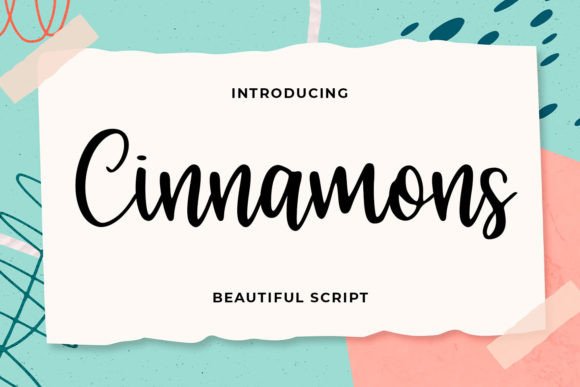
Cinnamons: A Handwritten Script for Modern Design
The right typography can transform a simple message into a memorable experience. In the crowded landscape of digital and print media, a distinctive script font like Cinnamons offers a powerful way to inject warmth, personality, and authenticity into your creative projects. This natural handwritten style is more than just letters on a page; it's a design asset that communicates emotion and crafts a unique visual narrative.
The Role of Authentic Typography in Branding
Modern graphic design thrives on connection. Consumers are drawn to brands that feel genuine and human. A script font like Cinnamons steps away from the sterility of overused sans-serifs, providing a tool to build a brand identity with approachability and character. Its organic strokes mimic the imperfections of real handwriting, which can foster trust and relatability—key components in effective visual communication and strong user engagement.
When used thoughtfully, such typography becomes a cornerstone of a brand's visual system. It doesn't stand alone but works in concert with a complementary color palette, supporting typefaces, and consistent imagery to create a cohesive and professional presentation.
Practical Applications for Creative Impact
The versatility of a well-crafted script font is one of its greatest strengths. Cinnamons, with its natural flow, is exceptionally adaptable across various design contexts, enhancing both aesthetics and message clarity.
- Logo Design & Branding: Create a distinctive logotype that feels personal and memorable. It's ideal for boutiques, cafes, artisanal products, or any service-based business wanting to convey a personal touch.
- Marketing & Social Media: Elevate social media graphics, email headers, and digital ads. The script style captures attention in a fast-scrolling environment, making posts for promotions, quotes, or announcements stand out with a crafted feel.
- Packaging & Merchandise: On product labels, tote bags, or t-shirt designs, handwritten typography adds a layer of artisanal quality. It suggests care and craftsmanship, directly influencing perceived value.
- Editorial & Web Design: Use it for pull quotes, section headers in magazines, or featured text on websites. It creates beautiful visual hierarchy and breaks the monotony of body text, guiding the reader's eye effectively.
Integrating Script Fonts into Your Design Workflow
While a font like Cinnamons is a valuable creative asset, its effectiveness depends on strategic implementation. Here are key considerations for designers and creators:
- Prioritize Readability: Handwritten scripts are best used for short, impactful text—headlines, logos, or call-to-action phrases. Avoid setting large blocks of body copy in script, as it can hinder readability, especially on screens or in small print.
- Maintain Visual Hierarchy: Pair the script with a clean, neutral sans-serif or serif font for supporting text. This contrast ensures clarity while allowing the script to shine as a focal point.
- Consider the Audience: The playful, organic nature of a script font may not suit every context. Evaluate if its style aligns with your brand's voice and your audience's expectations for a given project, whether it's a formal report or a casual social media campaign.
- Test Across Formats: Check the font's scalability and legibility in all intended applications, from a tiny favicon to a large banner. Ensure the natural charm translates without becoming a design flaw.
Ultimately, the power of any design element lies in its purposeful application. Choosing a typeface is a fundamental decision in the design workflow that affects everything from user experience to brand perception. By selecting quality assets that align with your creative goals and using them with intention, you elevate your work from merely functional to truly resonant, ensuring your visual communication is both beautiful and effective.