Exploring the Creative Potential of LDJ Fat Scratch
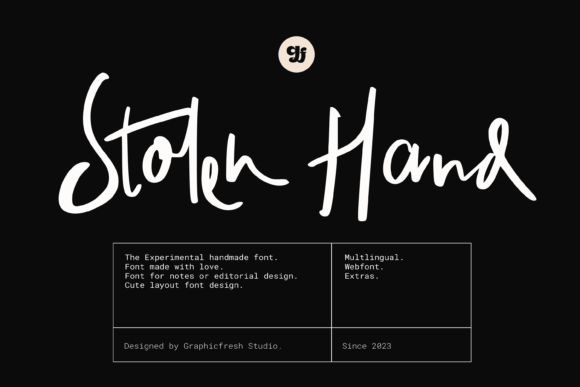
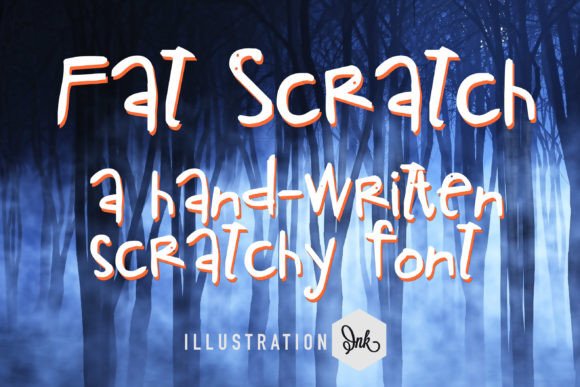
In a digital landscape saturated with clean, geometric fonts, a typeface that embraces raw, human imperfection can be a powerful design asset. Enter LDJ Fat Scratch, a quirky and weird handwritten font that is perfect for unconventional and creative projects. Its whimsical design features irregular and asymmetrical letters with unexpected flourishes and twists, offering a distinct voice that stands apart from the polished sans-serifs dominating modern interfaces. This font isn't about corporate uniformity; it's about injecting personality, authenticity, and a touch of rebellious spirit into visual communication.
Understanding the Visual Impact
From a graphic design perspective, typography is a cornerstone of visual hierarchy and brand identity. LDJ Fat Scratch serves as a strategic tool for designers seeking to break conventional patterns. Its hand-crafted aesthetic immediately evokes feelings of creativity, individuality, and approachability. Unlike sterile, algorithm-perfected typefaces, its irregularities suggest a human touch, making it ideal for projects aiming to build genuine connection. The "fat" strokes ensure presence and readability at various scales, while the "scratch" texture adds a layer of tactile, artistic detail that digital fonts often lack.
Practical Applications Across Creative Projects
The utility of a font like LDJ Fat Scratch extends across numerous design disciplines. Its primary strength lies in applications where personality and memorability are paramount.
- Branding & Logo Design: Use it for logotypes, brand marks, or supporting typography for artisanal products, indie studios, music projects, or lifestyle brands that value a handmade ethos.
- Marketing & Social Media: Create eye-catching headlines, quotes, or call-to-action elements for social media graphics, digital ads, and email campaigns that need to cut through the noise.
- Editorial & Packaging Design: Apply it to magazine headlines, book covers, or product packaging to convey a sense of artistry, craft, or vintage charm.
- Web & UI Design: Strategically deploy it for hero sections, landing page headlines, or specific UI elements (like buttons in a creative app) to add visual interest, but pair it with a highly readable body font.
- Merchandise & Digital Products: It excels on t-shirt designs, posters, stickers, and digital assets where the font itself becomes a key part of the design's appeal.
Integrating Unconventional Typography Effectively
While a font like LDJ Fat Scratch is visually compelling, its effective use requires thoughtful integration into a broader design system. The key is balance and intentionality.
- Prioritize Readability: Reserve it for short bursts of text—headlines, titles, or logos. Avoid using it for long paragraphs or small body copy where its details may become muddled.
- Establish Visual Hierarchy: Pair it with a neutral, complementary font. A clean sans-serif or a simple serif creates a stable foundation, allowing the expressive character of LDJ Fat Scratch to shine without overwhelming the viewer.
- Consider Audience & Context: Ensure its whimsical tone aligns with your brand voice and target audience. It's perfect for a craft brewery's label or a indie game's menu but may be less suitable for a financial institution's annual report.
- Test Across Mediums: Check its performance in both digital and print environments. The texture and weight should maintain integrity whether displayed on a high-resolution screen or printed on textured paper.
Ultimately, the value of a creative asset like LDJ Fat Scratch lies in its ability to communicate a specific mood and differentiate a project. In the realm of modern design, where authenticity and unique expression are highly valued, having a toolbox of distinctive typography is essential. By understanding its strengths and applying it with strategic care, designers can leverage such fonts to create more engaging, memorable, and visually rich experiences that resonate deeply with their intended audience, elevating both the aesthetic and the communicative power of their work.