House: A Handwritten Font for Authentic Design
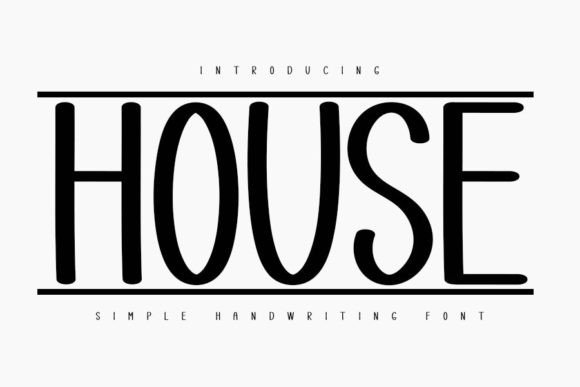
In a digital world saturated with polished perfection, the authentic, human touch of a handwritten font can be a powerful differentiator. House, a simple handwritten typeface, offers exactly that—a straightforward, natural aesthetic that cuts through the noise. This versatile font is more than just letterforms; it's a creative asset designed to infuse projects with warmth, personality, and approachability, making it an invaluable tool in a designer's toolkit.
The Role of Simple Typography in Modern Design
Effective visual communication hinges on clarity and emotional resonance. While complex serifs and sans-serifs have their place, a font like House serves a distinct purpose. Its simplicity ensures readability, while its handwritten style conveys sincerity and creativity. This balance is crucial in graphic design, where the goal is often to connect with an audience on a human level. A well-chosen typeface strengthens brand identity, guiding the viewer's eye and reinforcing the message without distraction.
Practical Applications for the House Font
The true value of a creative asset lies in its versatility. House excels across a wide spectrum of applications, proving its worth in both digital and print design workflows. Its unpretentious character makes it ideal for projects where authenticity is key.
- Branding and Logo Design: Use House to create logos for artisanal brands, boutique studios, or personal portfolios that require a crafted, personal feel. It pairs beautifully with clean sans-serifs for a balanced brand identity.
- Marketing Materials: From greeting cards and event invitations to brochure headlines and poster quotes, this font adds a personal, inviting touch that enhances engagement.
- Social Media Graphics: Create standout posts, stories, and thumbnails. The handwritten style feels native to platforms like Instagram, increasing relatability and stopping the scroll.
- Website and UI Design: Strategically use House for call-to-action buttons, featured quotes, or section headings in web design to add a layer of warmth and direct user attention.
- Packaging Design: Ideal for product labels, especially for food, cosmetics, or lifestyle goods, where it can communicate organic, homemade, or artisanal qualities.
- Editorial and Presentation Design: Break up dense text in magazines or add emphasis to key points in a slide deck, improving visual hierarchy and keeping the audience engaged.
Integrating House into Your Design Workflow
Selecting the right font involves more than just aesthetic preference. To use House effectively, consider your project's core objectives and audience. For optimal readability, reserve it for headlines, short phrases, or accent text rather than long body copy. Always test its scalability across devices and sizes to ensure it remains legible.
Compatibility is another critical factor. House works best when paired with a neutral, highly readable font for body text, such as a classic sans-serif. This creates a clear visual hierarchy, where the handwritten element draws interest without sacrificing overall clarity. Consider your color palette; House often shines in high-contrast scenarios or against textured backgrounds that complement its organic nature.
Thoughtful design choices are what separate good projects from great ones. By incorporating quality creative assets like the House font, you equip yourself to create more compelling, human-centered visual communication. It’s not about following a trend, but about selecting the right tools to tell your story with clarity and character, ensuring your design not only looks professional but also feels genuinely authentic.