Obese: A Handwritten Font for Distinctive Design
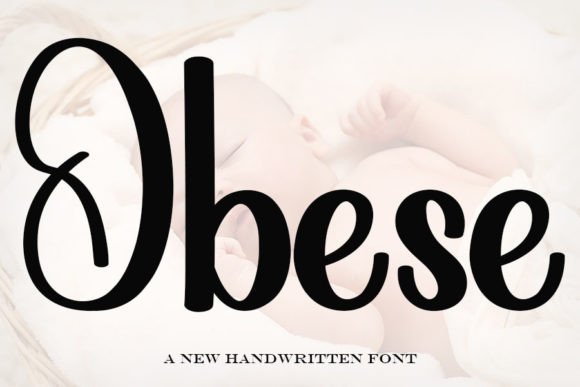
In the crowded landscape of digital typography, finding a font that carries genuine personality can transform a good design into a memorable one. Obese is a handwritten font that offers an elegant touch, perfect for injecting warmth and character into your favorite projects. Its beautifully crafted letterforms provide a distinct and timeless style, allowing designers to create spectacular visuals that feel both personal and professionally polished. This font moves beyond mere text; it becomes a central element of visual storytelling, enhancing the emotional resonance of any creative work.
The Role of Handwritten Fonts in Modern Visual Communication
Typography is a fundamental pillar of graphic design, directly influencing readability, mood, and brand perception. While sans-serifs and serifs dominate for clarity, handwritten fonts like Obese serve a critical role in creating approachability and human connection. They break the monotony of digital interfaces, adding a layer of authenticity that resonates in branding, marketing, and editorial design. Selecting the right typeface is not just about aesthetics; it is a strategic decision that supports the overall design hierarchy and communicates brand values effectively.
Practical Applications for Creative Projects
The versatility of a well-designed handwritten font allows it to adapt across numerous applications. Its distinct character can elevate a project from standard to standout, whether for digital or print mediums. Consider integrating a font like Obese into the following areas to enhance visual impact and user engagement.
- Branding and Logo Design: A handwritten element can make a logo feel unique and memorable, perfect for brands aiming for a friendly, artisanal, or boutique identity.
- Marketing and Social Media Graphics: Use it for headlines, quotes, or call-to-action text in digital marketing campaigns and social media posts to grab attention and foster a personal connection with the audience.
- Website and UI Design: Apply it strategically for section headers, hero text, or decorative elements in web design to create visual interest and guide the user's eye, improving the overall user experience.
- Editorial and Packaging Design: In editorial layouts or packaging, a handwritten font can add a crafted, premium feel, making products and publications appear more thoughtful and bespoke.
Integrating Typography into a Cohesive Design Workflow
Effectively using a distinctive font requires more than just placement; it demands thoughtful integration into the broader design system. To maintain professionalism and clarity, consider the principles of visual hierarchy and readability. A font like Obese works best for display purposes—headlines, titles, and short phrases—rather than long body paragraphs. Ensure it complements your primary color palette and other typographic choices to create a harmonious and balanced composition. Always test its scalability across different devices and mediums, from a small social media icon to a large printed banner, to guarantee consistent impact.
When evaluating any creative asset, assess its compatibility with your existing brand identity and the expectations of your target audience. A handwritten style aligns well with industries like lifestyle, food, fashion, and creative services. It can soften a corporate tone or add sophistication to a casual brand. The goal is to use typography not just as decoration, but as a functional tool that enhances communication, supports the content's message, and contributes to a seamless and professional presentation across all touchpoints.
Ultimately, the power of design lies in the details. Choosing quality creative assets, whether fonts, color schemes, or imagery, is an investment in your project's success. A thoughtfully selected typeface strengthens visual communication, builds stronger brand recognition, and creates a more engaging experience for your audience. By prioritizing these elements, you ensure that every design is not only beautiful but also effective, clear, and aligned with your strategic goals.