Scottish Font: Elevate Designs with Elegant Brush Script
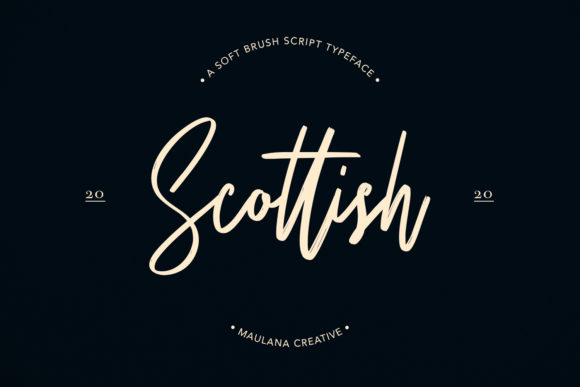
In the realm of visual design, the choice of typography often dictates the emotional resonance of a project. Imagine a typeface that flows with the organic beauty of hand-lettering, capturing a sense of romance and personalized charm. This is the essence of the Scottish font, a sweet and flowing brushed handwritten script that has become an indispensable asset for designers seeking to infuse their work with warmth and elegance.
Understanding the specific role of a typeface like Scottish is crucial for effective graphic design. Unlike rigid sans-serifs or formal serifs, a brushed script offers a human touch. It bridges the gap between digital precision and the authentic imperfection of handwritten notes. For branding professionals, this font provides a way to communicate approachability and sophistication simultaneously, making it a powerful tool in the visual design toolkit.
The Visual Impact of Brush Typography
Typography is not merely about legibility; it is about voice. The Scottish font speaks in a dialect of joy and daintiness. Its flowing strokes create a natural visual hierarchy, drawing the viewer's eye to key headlines or focal points. In modern aesthetics, where consumers crave authenticity, a handwritten script can break through the noise of sterile, corporate layouts. It adds texture and personality, transforming static text into a dynamic element of the composition.
Practical Applications for Creative Assets
The versatility of the Scottish font extends across various creative projects. Its romantic and personalized nature makes it particularly effective in specific contexts. Whether you are working on print design or digital assets, this font adapts beautifully to enhance the user experience.
- Wedding Invitations and Stationery: The quintessential use case. The font’s elegant curves mirror the grace of calligraphy, setting a romantic tone for event materials.
- Logo Design and Brand Identity: For boutique businesses, bakeries, or lifestyle brands, Scottish can serve as the primary wordmark or a secondary accent font to convey a handcrafted brand identity.
- Social Media Graphics: In the fast-paced world of digital marketing, a distinctive script helps posts stand out. It is ideal for quotes, announcements, and lifestyle imagery on Instagram or Pinterest.
- Packaging Design: When designing for artisanal products, the font suggests quality and care. It enhances the unboxing experience by adding a layer of tactile visual appeal.
Integrating Scottish into Design Workflows
Successfully incorporating a script font like Scottish requires more than just a simple drag-and-drop. It demands a thoughtful approach to design workflow and compatibility. One of the primary considerations is readability. While beautiful, flowing scripts can be challenging to read in long paragraphs or at small sizes. Therefore, it is best used for headlines, sub-headers, or pull quotes, paired with a clean, legible sans-serif for body copy.
Furthermore, consider the color palette. Brushed fonts often look best with high contrast. A dark, muted background can make the light, airy strokes of the Scottish font pop, creating a sophisticated professional presentation. When used in web design or UI design, ensure that the font size is sufficient to maintain legibility across different screen resolutions, ensuring a positive UX design.
Evaluating Typography for Brand Consistency
When selecting a font for a client or a personal brand, consistency is key. Ask yourself if the personality of the Scottish font aligns with the brand's voice. Is the brand playful, romantic, and organic? If so, it is a perfect match. If the brand is strictly corporate, technical, or aggressive, a brushed script might create a disconnect in the visual communication.
Additionally, pay attention to the technical details of the creative assets. Check the font’s licensing for commercial use, especially for advertising campaigns or merchandise. Ensure the file includes a full set of glyphs and alternates, which allows designers to customize ligatures and create a more authentic hand-lettered look.
Enhancing User Engagement Through Design
Ultimately, the goal of any design project is to communicate a message effectively and engage the audience. The Scottish font contributes to this by evoking an emotional response. In editorial design, it can highlight key narratives. In packaging design, it invites the customer to pick up the product. By leveraging the emotional weight of typography, designers can significantly improve how a message is received.
Choosing the right typography is a balance of art and science. It involves understanding design trends, respecting the principles of hierarchy, and knowing the audience. A font like Scottish offers a unique solution for projects that require a gentle, human touch. By applying these principles and utilizing high-quality design inspiration, you can ensure that your visual assets not only look beautiful but also communicate with clarity and purpose.