Waverly: A Handwritten Font for Whimsical Design
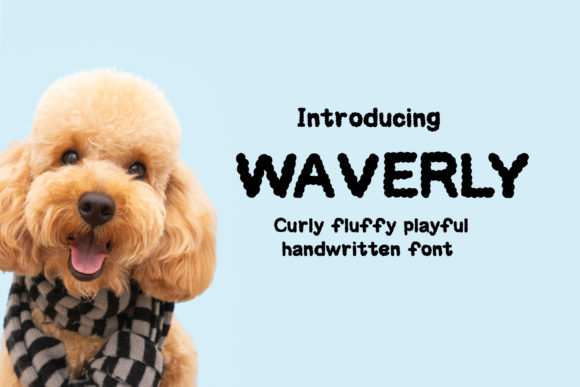
Every design project demands a typeface that speaks its unique language, and for those aiming for warmth, approachability, and a touch of playful charm, the right font can be transformative. Waverly is a curly, fluffy handwritten font that immediately injects personality into any creative work. Its cute and playful style makes it an exceptional choice for applications where joy and approachability are paramount, from children's books and Christmas cards to pet content and birthday invitations. In a digital landscape often dominated by sterile sans-serifs, Waverly offers a refreshing, human touch that can significantly enhance visual communication and brand connection.
The Role of Whimsical Typography in Modern Branding
In graphic design, typography is a fundamental pillar of brand identity. It conveys tone, emotion, and personality before a single word is read. A font like Waverly, with its inherently friendly and informal character, is a powerful tool for brands targeting families, children, pet lovers, or any audience that values warmth and authenticity. It moves beyond mere legibility to create an emotional resonance, strengthening brand recall and fostering a sense of trust and delight. When integrated thoughtfully into a visual design system, it can make a brand feel more accessible and human-centric.
Practical Applications for Creative Projects
The versatility of a handwritten font like Waverly allows it to enhance a wide array of creative assets. Its visual impact is particularly strong in contexts where a personal, crafted feel is desired.
- Marketing & Social Media Graphics: Use Waverly for headlines, quotes, or call-to-action overlays on images for Instagram, Pinterest, or Facebook. It grabs attention and boosts engagement by feeling less like an ad and more like a friendly note.
- Packaging & Product Design: Ideal for artisanal goods, children's products, or pet accessories. It can differentiate a product on the shelf, suggesting handmade quality and care.
- Editorial & Print Design: Perfect for chapter titles in children's literature, playful headers in magazines, or eye-catching text on greeting cards and invitations.
- Digital Products & UI Elements: While not for body text, it can be used sparingly in web design or app interfaces for buttons, banners, or special notifications to add a splash of personality, improving user experience through visual delight.
- Presentation & Merchandise: Bring energy to slide decks or create unique merchandise like t-shirts, mugs, and stickers that carry a distinct, memorable brand voice.
Integrating Playful Fonts with Design Best Practices
Successfully incorporating a font like Waverly into professional work requires balancing its expressive nature with core design principles. The goal is to enhance, not overwhelm, the overall visual hierarchy.
- Pair with Simplicity: Combine Waverly with a clean, neutral sans-serif or serif font for body text. This creates a pleasing contrast, allowing the handwritten font to shine in headlines without sacrificing readability.
- Consider Context and Audience: Evaluate if the playful tone aligns with your project's goals. It excels in B2C contexts, children's products, and lifestyle brands but may be less suitable for formal corporate communications.
- Mind the Details: Pay attention to kerning and leading. Handwritten fonts often require slight adjustments to ensure letters flow naturally and text blocks remain legible, especially at smaller sizes.
- Test for Scalability: Ensure the font remains effective across various applications, from a tiny favicon to a large poster. Check its clarity in both digital and print formats.
Ultimately, the power of a creative asset like the Waverly font lies in its ability to bridge the gap between digital precision and human warmth. By thoughtfully selecting typography that aligns with your brand's personality and audience expectations, you elevate your design from merely functional to genuinely engaging. Quality creative resources are not just decorative; they are strategic tools that improve communication, strengthen brand identity, and create more memorable and effective visual experiences.