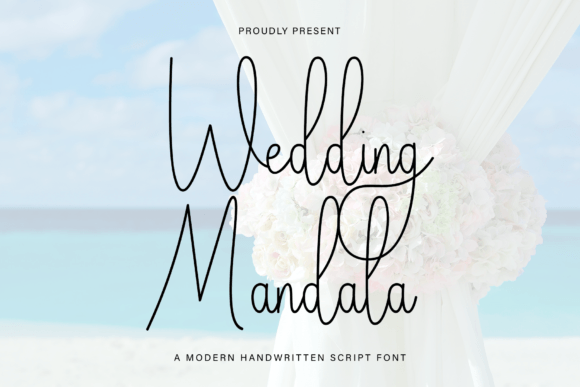
Wedding Mandala: Elevating Design with Elegant Typography
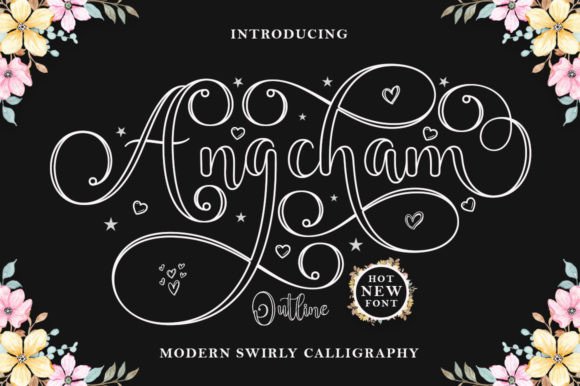
Imagine a font that instantly captures the delicate intricacy of a mandala and translates it into a flowing, handwritten style—this is the creative power of Wedding Mandala. This meticulously crafted typeface offers designers a unique visual tool to infuse projects with personality, sophistication, and an artistic flair that resonates deeply with modern audiences seeking authentic and beautiful design.
The Essence of Wedding Mandala in Modern Design
At its core, Wedding Mandala is more than just a font; it's a visual asset designed for impact. In a landscape where branding and visual communication must cut through the noise, this typeface provides a distinct aesthetic. Its hand-drawn, ornamental quality aligns perfectly with contemporary design trends that favor organic textures, personalized touches, and artisanal details over sterile, generic fonts. For graphic designers, it represents a solution for creating immediate emotional connection and visual interest, which is crucial for effective brand identity and user engagement.
Practical Applications Across Creative Projects
The versatility of Wedding Mandala makes it a valuable addition to any designer's toolkit. Its elegant yet cool character lends itself to a wide array of applications, enhancing both digital and print design workflows.
- Branding and Logo Design: Use it to craft distinctive logos, monograms, or brand marks for businesses in the beauty, lifestyle, event planning, or artisanal goods sectors. Its unique style helps build a memorable visual identity.
- Marketing and Social Media Graphics: Create eye-catching headlines, quotes, and promotional materials for Instagram, Pinterest, and digital ads. The font's aesthetic is inherently shareable and can boost social media engagement.
- Editorial and Packaging Design: Apply it to magazine layouts, book titles, or product packaging to add a touch of luxury and craftsmanship. It works beautifully for labels on cosmetics, gourmet foods, or boutique merchandise.
- Web and UI Design Elements: While best used for accents rather than body text, it can elevate website headers, hero sections, or call-to-action buttons, contributing to a polished and immersive user experience (UX).
Integrating Typography into a Cohesive Design System
Effective use of a decorative font like Wedding Mandala requires thoughtful integration into your broader design system. Consider these practical tips to ensure it enhances rather than overwhelms your project:
- Prioritize Readability and Hierarchy: Use Wedding Mandala for short, impactful text like titles, pull quotes, or decorative elements. Pair it with a clean, highly legible sans-serif or serif font for body copy to maintain a clear visual hierarchy and ensure content accessibility.
- Align with Audience and Goals: Evaluate if its elegant, handwritten style matches your target audience's expectations and your project's core message. It excels in contexts that value creativity, romance, and personalization.
- Ensure Technical Compatibility: Test the font's scalability across different sizes and mediums. Confirm it renders well on various screens and in print. Check its character set for the glyphs and language support you need.
- Harmonize with Color and Imagery: Let the font shine by placing it against complementary color palettes and imagery. Its intricate details work best with simpler backgrounds to avoid visual clutter.
Ultimately, the choice of typography is a fundamental decision in any creative project, directly influencing perception, mood, and communication clarity. A resource like Wedding Mandala demonstrates how a single, well-designed asset can provide a fresh source of design inspiration and elevate the quality of your work. By selecting creative assets that align with your vision and applying them with strategic intent, you transform standard projects into compelling visual narratives that captivate audiences and strengthen brand communication.