Lemon Party Font: A Playful Handwritten Style for Modern Design
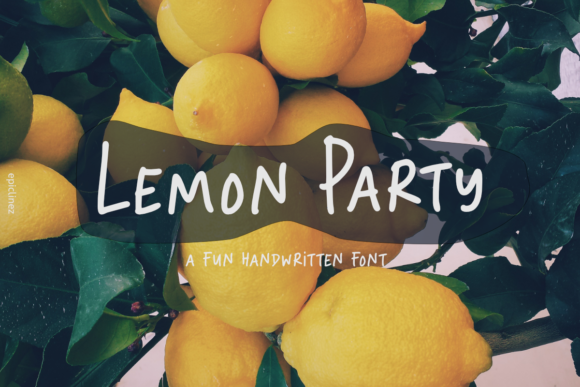
When a design project calls for a touch of warmth, authenticity, and playful charm, the right typeface can transform the entire composition. Enter Lemon Party, a cute and quirky handwritten font that brings an immediate sense of friendliness and approachability to any visual concept. Its simple, clean strokes and casual rhythm make it an incredibly versatile tool for designers seeking to inject personality into their work without sacrificing clarity or professionalism.
The Role of Handwritten Typography in Visual Communication
In an era saturated with sleek, minimalist aesthetics, handwritten fonts like Lemon Party serve a crucial purpose. They humanize digital and print experiences, creating an emotional bridge between the brand and its audience. This style of typography excels in conveying authenticity, creativity, and a personal touch—qualities highly valued in modern branding, social media content, and editorial design.
From a technical perspective, a well-crafted handwritten font must balance character with readability. Lemon Party achieves this by maintaining consistent letterforms and open apertures, ensuring text remains legible even at smaller sizes or in rapid-glance contexts like mobile UI or social media graphics. This balance is essential for effective visual hierarchy, where playful elements must still guide the viewer’s eye efficiently.
Practical Applications Across Creative Projects
The versatility of Lemon Party allows it to shine in numerous design scenarios. Its friendly demeanor makes it ideal for projects aiming to connect on a personal level.
- Branding and Logo Design: Perfect for businesses in lifestyle, food, boutique retail, or children’s markets. It can form the basis of a wordmark or complement a more structured primary logo, adding a layer of casual elegance.
- Marketing and Social Media: Ideal for Instagram quotes, Pinterest graphics, email headers, and promotional posters. The font’s quirky nature helps content stand out in crowded feeds, enhancing engagement.
- Packaging and Merchandise: Adds a handmade, artisanal feel to product labels, tote bags, mugs, and stationery, elevating the perceived value and story behind a product.
- Web and UI Design: When used sparingly for headlines, call-to-action buttons, or testimonial quotes, it can soften a digital interface, making it feel more welcoming and user-friendly.
- Editorial and Print Design: Brings a creative flair to magazine layouts, book covers, event invitations, and greeting cards, guiding readers through content with visual interest.
Integrating a Quirky Font into a Professional Design Workflow
Successfully incorporating a font like Lemon Party requires thoughtful application. Here are key considerations for designers:
- Establish Visual Hierarchy: Pair it with a clean, neutral sans-serif or serif font for body text. This creates a pleasing contrast and ensures the design remains structured and easy to navigate.
- Consider the Color Palette: The font’s playful character can be enhanced or tempered by color. Soft pastels and warm neutrals complement its friendly style, while bold contrasts can give it a more contemporary edge.
- Test for Scalability: Always check how the font renders at various sizes and on different mediums. What works on a large poster may need adjustment for a small mobile button.
- Align with Brand Voice: Ensure the font’s personality matches the brand’s intended message. It’s perfect for a casual coffee shop or a creative studio but may not suit a law firm or financial institution.
Ultimately, the value of a creative asset like Lemon Party lies in its ability to solve communication problems through visual design. It’s not merely about decoration; it’s about using typography to convey tone, build recognition, and create a cohesive brand identity that resonates. By selecting fonts that align with strategic goals and applying them with intention, designers and creators can significantly enhance the quality and impact of their projects, turning ordinary layouts into memorable experiences. Thoughtful design choices, supported by high-quality assets, are what separate good visual communication from great.